
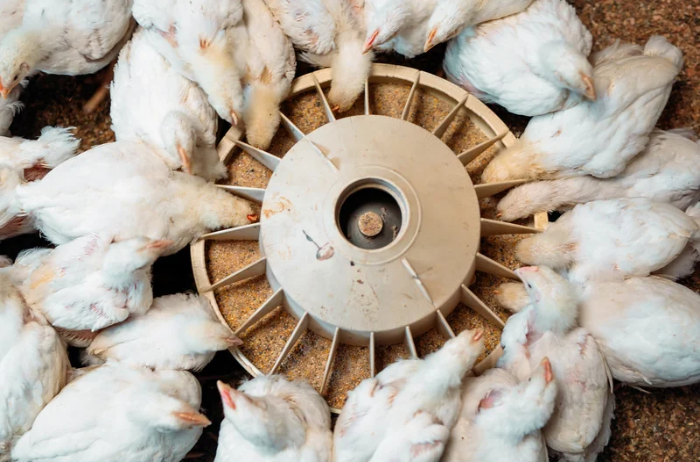
Mycotoxins in Poultry: Causes, Clinical Signs, and Prevention Strategies
Mycotoxins are toxic compounds produced as secondary metabolites by fungi, including Aspergillus, Fusarium, and Penicillium. Mycotoxin-producing fungi can contaminate feed ingredients at various stages, from crop cultivation and harvesting to transportation and storage in warehouses and feed storage facilities.
Indonesia's warm and humid tropical climate increases the risk of mycotoxin contamination throughout the year. Mycotoxins are also relatively heat-stable, meaning they may remain present even after the fungi have died or the feed ingredients have undergone heat processing.
In poultry, mycotoxin exposure can impair growth, reduce egg production, and compromise immune function. Even prolonged exposure to relatively low levels of mycotoxins can negatively affect flock performance and overall farm productivity.
Common Types of Mycotoxins in Poultry Feed
Several types of mycotoxins commonly found in poultry feed ingredients include:
- Aflatoxins: Primarily affect the liver, reduce feed efficiency, and impair immune function.
- Ochratoxin A: Can cause kidney damage and impair growth performance.
- Fumonisins: Affect liver function and the health of other organs.
- Zearalenone: Can interfere with reproductive system function.
- Deoxynivalenol (DON) and T-2 toxin: Can irritate the gastrointestinal tract and oral cavity, potentially reducing feed intake.
Multiple types of mycotoxins may be present simultaneously in a single feed ingredient. Such combinations can potentially intensify their negative effects on poultry health and productivity.
Clinical Signs of Mycotoxicosis in Chickens
Clinical signs of mycotoxin exposure are often nonspecific and may vary depending on the type of toxin, exposure level, and duration. Some signs to watch for include:
- Reduced feed intake and body weight gain.
- Deterioration in Feed Conversion Ratio (FCR).
- Decreased egg production and eggshell quality.
- Dull feathers and changes in fecal consistency.
- Increased susceptibility to diseases and reduced vaccine responses.
- Organ abnormalities observed during necropsy, such as enlarged or pale livers, swollen kidneys, and lesions in the oral cavity.
Impact of Mycotoxins on Poultry Farm Productivity
Mycotoxin contamination can result in economic losses that are not always immediately apparent. Chickens may not exhibit severe clinical signs but can still experience reduced growth performance, feed efficiency, and egg production. These conditions can increase production costs, including feed costs per kilogram of body weight gain or per egg produced, as well as expenses associated with flock health management.
Strategies for Mycotoxin Prevention and Control
- Selection of Quality Feed Ingredients
Source feed ingredients from reliable suppliers and conduct regular mycotoxin testing, particularly for corn, rice bran, and soybean meal. - Moisture Control
Ensure that feed ingredients are stored under dry conditions. Corn generally needs to be dried to a moisture content of approximately 14% or lower, depending on storage conditions and duration. - Storage Management and Sanitation
Use dry, well-ventilated storage facilities that are protected against water leakage. Implement a First In, First Out (FIFO) inventory system and regularly clean silos and feed storage facilities to prevent the accumulation of moist feed residues. - Use of Toxin Binders
The use of toxin binders is one of the supportive measures for reducing mycotoxin exposure through binding or detoxification mechanisms in the gastrointestinal tract. One product that can be considered is M-Mobilize, a supportive solution for mycotoxin management in poultry. Its application should be adjusted according to the types of contaminants present, product recommendations, and the specific health requirements of the flock. - Supporting Organ Health
Implementing appropriate nutritional and health management programs helps maintain liver and kidney function, as well as overall bird condition, when facing mycotoxin exposure.
Mycotoxins remain a significant challenge in maintaining poultry health and productivity. Feed contamination can impair growth, reduce egg production, and compromise immune function. Prevention requires a comprehensive approach involving the selection of quality feed ingredients, moisture control, proper storage management, sanitation, routine testing, and the appropriate use of toxin binders. M-Mobilize can serve as one of the supportive options in mycotoxin management programs. Through consistent feed management and flock health monitoring, the risks associated with mycotoxin exposure can be minimized, helping support poultry productivity and the sustainability of the poultry industry.
You may also like
Understanding Drinking Systems in Poultry Houses:...
In the poultry industry, feed management and tempe...
Raw Material Quality: A Key Factor Influencing Fee...
Feed quality is one of the key factors affecting p...

Agrinusa at ILDEX Indonesia 2026: Strengthening So...
BSD City, September 2026 — Agrinusa participated i...