
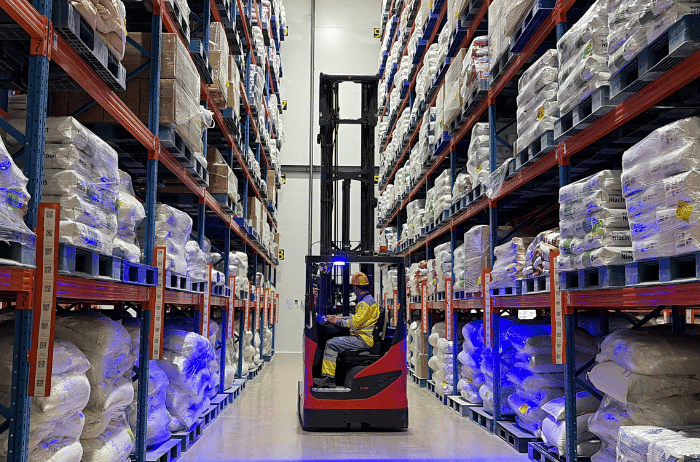
Raw Material Quality: A Key Factor Influencing Feed Quality and Poultry Performance
Feed quality is one of the key factors affecting poultry growth, health, and productivity. To produce feed that consistently meets nutritional requirements, quality control must begin with raw material selection. High-quality raw materials help ensure that nutrient levels align with the formulation and support feed efficiency.
Raw materials such as corn, soybean meal, rice bran, and other protein and mineral sources provide the energy and nutrients required by poultry. However, raw material quality can vary in terms of nutrient composition, digestibility, and safety.
Variations in protein, energy, or amino acid levels can cause the nutrient composition of feed to deviate from the intended formulation. In addition, high moisture content and improper storage conditions can increase the risk of raw material deterioration. Mycotoxin contamination, microbiological contamination, and fat oxidation can also compromise feed quality and potentially affect poultry health. Therefore, raw materials should be evaluated based on their nutritional, physical, and safety characteristics to maintain consistent feed quality.
Impact on Poultry Performance
Inconsistent raw material quality can affect nutrient availability for poultry. When nutrient levels do not meet requirements or nutrients are poorly digestible, growth and feed efficiency may be compromised.
In broiler chickens, a balanced supply of energy, protein, and amino acids is essential for supporting body weight gain and feed conversion ratio (FCR). In laying hens, adequate nutrition helps support egg production, egg weight, and eggshell quality.
Beyond nutrient composition, exposure to certain contaminants can also affect poultry health and productivity, depending on the type and level of exposure. Nevertheless, poultry performance is not determined by raw material quality alone. Farm management, flock health, drinking water quality, and environmental conditions also play important roles.
The Role of Premix in Maintaining Feed Quality
Premix is a blend of ingredients containing vitamins, minerals, and other micronutrients designed to help meet poultry nutritional requirements according to the feed formulation. Proper premix application supports the precise delivery of micronutrients and helps maintain formulation consistency.
However, premix cannot replace the role of high-quality primary feed ingredients. Optimal feed quality requires an appropriate combination of raw materials, a balanced nutritional formulation, a suitable premix, and well-controlled production processes.
Premix selection should consider poultry species, production stage, ration composition, and nutritional requirements. Premix quality must also be maintained through proper ingredient control, accurate weighing, mixing uniformity, and appropriate storage conditions.
Quality Control as a Preventive Measure
Raw material quality control should be implemented throughout the process, from receiving and storage to feed production. Key measures include establishing raw material specifications, evaluating suppliers, conducting physical inspections, and performing laboratory analyses based on specific needs and risk levels.
Testing parameters may include moisture content, crude protein, fat, fiber, and other relevant nutritional indicators. Additional testing for mycotoxins or microbiological contaminants may also be necessary for raw materials with associated risks.
Proper storage conditions are equally important. Controlling moisture, maintaining warehouse cleanliness and ventilation, and implementing inventory rotation can help minimize raw material deterioration. Documentation of inspection results and raw material traceability also help ensure that materials meet the required specifications before being used in production.
High-quality feed starts with the quality of every ingredient used in the formulation. Through proper raw material quality control and the selection of a suitable premix, feed manufacturers can maintain nutritional consistency while supporting optimal poultry performance.
Choosing the right premix solution is therefore not merely about meeting nutritional requirements. It is also an important step toward improving production efficiency and supporting the long-term sustainability of the poultry industry.
You may also like
Understanding Drinking Systems in Poultry Houses:...
In the poultry industry, feed management and tempe...
Agrinusa at ILDEX Indonesia 2026: Strengthening So...
BSD City, September 2026 — Agrinusa participated i...
Coccidiosis and Dysbacteriosis: Understanding the...
In modern poultry production, gut health is more t...