
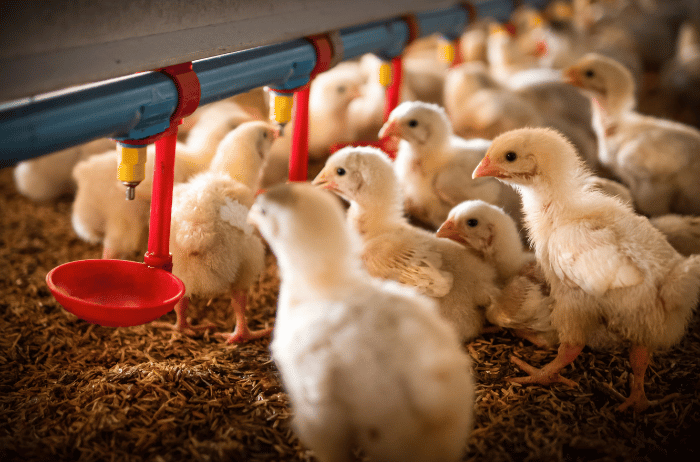
Understanding Drinking Systems in Poultry Houses: Supporting Growth and Animal Welfare
In the poultry industry, feed management and temperature control are often the primary focus when it comes to maintaining flock performance. However, the availability of clean and adequate drinking water also plays a vital role in supporting poultry health, growth, and production efficiency.
Water is essential for various physiological processes, including digestion, nutrient absorption, body temperature regulation, and metabolism. Any disruption in water availability can affect feed intake and poultry growth. Therefore, implementing an appropriate drinking system is an important aspect of modern poultry house management.
A drinking system is a water supply system designed to ensure that poultry have access to clean, sufficient, readily accessible drinking water throughout the production cycle.
These systems can use manual drinkers or automated systems integrated with a water distribution pipeline. The selection of a suitable system should consider farm scale, poultry type and age, water requirements, and ease of operation and maintenance. In addition to selecting the right equipment, routine monitoring of water quality, pipeline cleanliness, and water consumption is necessary to ensure optimal system performance.
Adequate drinking water availability supports feed intake and poultry growth. Water facilitates digestion, nutrient absorption, and various metabolic functions essential for maintaining flock performance. When water supply is disrupted, poultry may experience reduced feed intake, which can subsequently affect growth.
Furthermore, a well-designed water supply system helps ensure that poultry have access to water according to their needs. Hygienic water management also supports poultry health and welfare while helping maintain suitable conditions within the poultry house. Therefore, the drinking system should be integrated into an overall management program that includes feed management, temperature control, ventilation, and poultry house sanitation.
In general, drinking systems used in poultry houses can be classified into two categories: manual and automatic systems. Each has distinct characteristics, and the selection should be based on the farm's operational needs and conditions.
- Manual System (Open Drinking System)
A manual system uses open drinking containers that are filled and cleaned periodically by farm personnel. This system is relatively simple and can be suitable for farms of certain sizes or operations requiring less complex installations.
However, because the water is directly exposed to the surrounding environment, the risk of contamination from dust, feathers, feed, and poultry droppings tends to be higher. Drinking containers must be inspected and cleaned regularly to maintain water quality. Manual refilling also requires more attention and labor, particularly on farms with large poultry populations.
- Automatic System (Nipple Drinking System)
A nipple drinking system is an automatic water supply system that uses a closed pipeline network. Water flows through the pipes and is released when poultry peck at or activate the nipple valve. This system is widely used in modern poultry houses because it enables more controlled water distribution.
Compared with open drinking containers, nipple systems help reduce direct exposure of drinking water to environmental contaminants. They can also improve water-use efficiency because water is released when the nipple is activated, minimizing potential spillage when the system is properly adjusted.
Automatic systems can also be integrated with supporting equipment, such as a water meter to monitor water consumption and a pressure regulator to control water pressure. Although they require a higher initial investment and equipment maintenance, these systems can help improve labor efficiency and support more systematic poultry house management.
A nipple drinking system requires proper adjustment and routine inspection to ensure that poultry receive adequate water. One important consideration is nipple height. The position of the nipples should be adjusted according to the age and body size of the birds to ensure easy access to water. During the brooding period, particularly in the early days of rearing, water accessibility requires careful attention to help chicks learn to drink and obtain an adequate water supply. As the birds grow, the drinking lines should be adjusted to accommodate their body posture and ability to reach the nipples.


In addition to nipple height, water pressure must be adjusted according to the equipment type, bird age, and manufacturer's recommendations. Insufficient pressure may restrict water availability, while excessive pressure can increase spillage and cause wet litter. Proper pressure adjustment helps maintain an adequate water supply while supporting litter moisture management.
System maintenance is equally important. Nipples, pipelines, filters, and other water distribution components should be inspected regularly to identify blockages, leaks, or flow disruptions. Cleaning and sanitation of the water distribution network should follow appropriate procedures, taking into account source water quality and farm conditions.
Regular monitoring of daily water consumption can also help farmers identify changes in drinking patterns. Such changes may be associated with environmental conditions, flock health, or problems within the water distribution system. Through routine recording and inspection, potential issues can be identified earlier and investigated accordingly.
Proper implementation of a nipple drinking system can improve water-use efficiency, help maintain water hygiene, and support litter moisture control. Reduced water spillage contributes to better litter conditions, which are an important aspect of poultry house environmental management and ammonia control.
Furthermore, integration with monitoring equipment such as water meters and pressure regulators allows water distribution to be managed more systematically. Automation can also reduce the need for manual water refilling, enabling farm personnel to allocate their time more efficiently to other husbandry activities.
Nevertheless, these benefits depend on installation quality, source water conditions, equipment adjustment, and consistent maintenance and sanitation practices. Automatic systems still require routine inspection to ensure that every bird has adequate access to drinking water.
A drinking system is an essential component of poultry house management because a clean and adequate water supply supports poultry health, feed intake, growth, and animal welfare. The selection of a manual or automatic system should be tailored to the farm's operational requirements and conditions.
In modern poultry houses, a nipple drinking system can help achieve more controlled water distribution, reduce potential spillage, and facilitate water consumption monitoring. With proper adjustment and routine maintenance, an effective drinking system can contribute to improved operational efficiency and sustained flock performance.
You may also like
Raw Material Quality: A Key Factor Influencing Fee...
Feed quality is one of the key factors affecting p...
Agrinusa at ILDEX Indonesia 2026: Strengthening So...
BSD City, September 2026 — Agrinusa participated i...
Coccidiosis and Dysbacteriosis: Understanding the...
In modern poultry production, gut health is more t...