
Probiotic to Optimize Egg Production and Improve the FCR
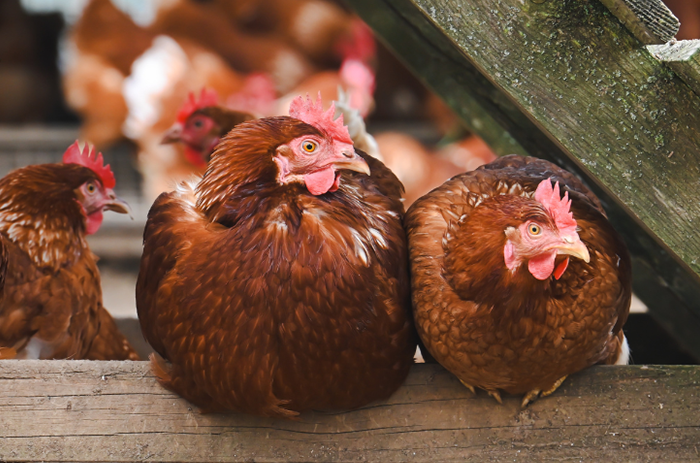
In the poultry industry, production efficiency is a key factor in achieving maximum profitability. Two critical aspects consistently prioritized by layer farmers are optimal egg production and improved Feed Conversion Ratio (FCR). One commonly adopted nutritional innovation is the use of probiotics.
Probiotics are live microorganisms that, when administered in adequate amounts, can provide health benefits. Beneficial microbes, such as Lactobacillus, Bacillus subtilis, and Enterococcus faecium, play a crucial role in maintaining intestinal microbial balance, enhancing nutrient absorption, and strengthening the immune system of laying hens. With a healthy gastrointestinal tract, nutrients from the feed can be utilized more efficiently, resulting in improved egg production and better feed conversion (FCR).
Some of the key benefits of probiotics in egg production include:
- Improved egg production and quality.
Probiotics enhance calcium and protein absorption, enabling hens to maintain consistent egg production with stronger shell quality and more stable egg weights. - Reduced stress and gastrointestinal infections.
Probiotics help maintain a balanced intestinal microflora and suppress the growth of pathogenic bacteria such as E. coli and Salmonella, supporting overall flock health and productivity. Additionally, probiotic strains containing Bacillus exhibit strong antimicrobial properties against various pathogens, further improving gut health and poultry performance. - Lower feed intake.
By improving digestive efficiency, probiotics help reduce the amount of feed required per egg produced. This results in more efficient feed utilization, reduced feed costs, and sustained productivity.
The effectiveness of probiotic use also depends on selecting the appropriate type and dosage. Probiotic products that are stable under heat and humidity, and can survive feed processing, provide the greatest benefits. Consistent administration is also crucial to maintain the population of beneficial microbes in the gastrointestinal tract.
The use of probiotics in layer feed has proven to be an effective strategy for enhancing egg production, improving FCR, and supporting a healthier and more sustainable production system. With the right nutritional approach, farmers can achieve optimal poultry performance while contributing to a more environmentally responsible poultry industry.
You may also like
Understanding Drinking Systems in Poultry Houses:...
In the poultry industry, feed management and tempe...

Raw Material Quality: A Key Factor Influencing Fee...
Feed quality is one of the key factors affecting p...

Agrinusa at ILDEX Indonesia 2026: Strengthening So...
BSD City, September 2026 — Agrinusa participated i...