
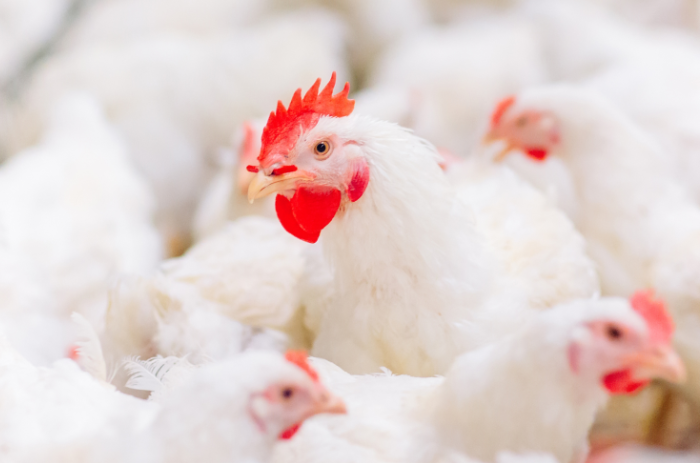
Coccidiosis and Dysbacteriosis: Understanding the Challenges to Poultry Gut Health and Performance
In modern poultry production, gut health is more than a technical consideration. It is one of the key foundations of productivity, efficiency, and sustainable production. A healthy and well-functioning gastrointestinal tract enables birds to utilize nutrients efficiently and achieve their genetic potential.
However, various challenges can disrupt gut health, including coccidiosis and dysbacteriosis. These two conditions are closely interconnected and can exacerbate each other, particularly when intestinal health and integrity are compromised. Understanding their relationship is therefore an important part of developing an effective gut health management strategy.
Understanding Coccidiosis in Poultry
Coccidiosis in poultry is a parasitic disease caused by various species of protozoa belonging to the genus Eimeria. Each species has a specific predilection for different parts of the gastrointestinal tract and can cause varying degrees of mucosal damage. Even Eimeria infections that do not cause severe clinical signs can still lead to changes in the intestinal mucosa and gut function, potentially affecting production performance. Therefore, controlling coccidiosis is not only about preventing mortality or clinical signs, but also about maintaining intestinal function to support optimal production performance.
Understanding Dysbacteriosis
Dysbacteriosis refers to changes or an imbalance in the microbial community within the gastrointestinal tract, both in terms of its composition and function. The poultry gastrointestinal tract is naturally inhabited by a diverse community of microorganisms that contributes to digestion, metabolism, immune system development, and protection against potentially harmful microorganisms.
This microbial balance can be disrupted by various factors, including:
- Environmental stress, including heat stress
- Changes in feed formulation or raw material quality
- Changes in feed form and composition
- Poor water quality
- The use of certain antimicrobials
- Gastrointestinal disorders or infections
- Coccidiosis and intestinal mucosal damage
When the balance of the gut microbiota is disrupted, changes in microbial composition and activity may affect intestinal function and contribute to further gut health challenges.
Coccidiosis and Dysbacteriosis: Closely Interconnected Challenges
Coccidiosis and dysbiosis can interact and influence intestinal health. When Eimeria infects and damages intestinal epithelial cells, the structure and function of the mucosa can be disrupted. This damage may alter the gastrointestinal environment, including substrate availability and conditions that support the growth of certain microorganisms. At the same time, changes in the gut microbiota can increase pressure on the intestinal mucosa and influence inflammatory responses. These changes may further compromise intestinal barrier integrity. In other words, intestinal damage caused by coccidiosis can contribute to the development of dysbacteriosis, while an imbalance in the gut microbiota may further aggravate an already compromised intestinal condition. This interconnected relationship highlights why addressing one condition without considering the other factors affecting gut health may result in less effective outcomes.
Impact on Production Performance
Ultimately, disruptions in gut health can have consequences for several important production parameters, including:
- Body weight and flock uniformity: Impaired intestinal function can affect nutrient utilization and consequently influence growth and flock uniformity.
- Feed efficiency: When nutrients are not utilized efficiently, feed conversion may deteriorate, and production costs may increase.
- Egg production and quality: In laying birds, prolonged intestinal health challenges may affect nutrient utilization and subsequently impact production performance and egg quality.
- Mucosal damage and alterations in the gut microbiota are among the factors that may increase the risk of secondary enteric disorders. One condition of particular concern is necrotic enteritis, which has been associated with the proliferation of Clostridium perfringens under certain conditions.
These effects demonstrate that maintaining intestinal health is essential not only for disease control but also for achieving consistent and efficient poultry production.
Maintaining Poultry Gut Health
Managing coccidiosis and dysbacteriosis requires an approach that goes beyond addressing a single factor. Gut health is influenced by the complex interaction between infectious agents, nutrition, microbiota, management, the environment, and the bird's immune system.
Several key aspects should therefore be considered:
- Biosecurity and Farm Management
Maintaining proper farm hygiene, litter quality, water quality, stocking density, and consistent biosecurity practices is essential to reduce disease pressure. Biodan Plus, as a disinfectant product, can be incorporated into farm biosecurity programs to support environmental sanitation and help reduce microbial pressure that may potentially affect poultry health. - Nutritional Management
Proper feed formulation, high-quality raw materials, and effective management of feed changes can help maintain gastrointestinal function and support a balanced gut microbiota. VTnest, containing tributyrin, supports intestinal mucosal integrity and the maintenance of intestinal villus structure, helping to preserve nutrient absorption capacity. Meanwhile, Novella, as a probiotic, supports gut microbiota balance to help maintain gastrointestinal health. - Supporting Poultry Physiological Health
In addition to meeting nutritional requirements, supporting the physiological condition and overall health of birds can also contribute to a comprehensive gut health management program. Phycurma, a herbal and vitamin-based product, can be considered as one of the options to support bird condition and resilience as part of an overall health management program.
Coccidiosis Control
Coccidiosis control programs should be tailored to field conditions, including the level of coccidiosis risk, production system, bird age, and the overall health program implemented on the farm.
An effective approach should consider not only coccidiosis control itself, but also the factors that influence intestinal health. Depending on farm conditions and risk levels, coccidiosis management may include anticoccidial programs or coccidiosis vaccination, supported by strategies that promote a healthy gut microbiota, appropriate nutrition, and effective farm management. Together, these measures can form a comprehensive approach to maintaining intestinal health and supporting optimal production performance.
A Holistic Approach to Gut Health
Coccidiosis and dysbacteriosis illustrate how closely interconnected different factors can be within the poultry gastrointestinal system. Intestinal health cannot be managed through a single intervention alone. Instead, it requires an integrated approach that considers disease prevention, biosecurity, nutrition, microbiota, farm management, and overall bird health. By understanding the relationship between coccidiosis, dysbacteriosis, intestinal integrity, and production performance, poultry producers can take a more comprehensive approach to gut health management. Ultimately, protecting gut health means protecting the foundation of flock performance, production efficiency, and sustainable poultry production.
You may also like
Understanding Drinking Systems in Poultry Houses:...
In the poultry industry, feed management and tempe...
Raw Material Quality: A Key Factor Influencing Fee...
Feed quality is one of the key factors affecting p...

Agrinusa at ILDEX Indonesia 2026: Strengthening So...
BSD City, September 2026 — Agrinusa participated i...